Login

+6281-999-403300 baliblisstours@gmail.com
Price
From$445
Booking Form
Enquiry Form
Full Name*
Email Address*
Your Enquiry*
* I agree with Terms of Service and Privacy Statement.
Please agree to all the terms and conditions before proceeding to the next step
Available: 40 seats
* Please select all required fields to proceed to the next step.

Proceed Booking

Save To Wish List

Adding item to wishlist requires an account

2401

Why Book With Us?

  • No-hassle best price guarantee
  • Customer care available 24/7
  • Hand-picked Tours & Activities
  • Free Travel Insureance

Get a Question?

Do not hesitage to give us a call. We are an expert team and we are happy to talk to you.

1.8445.3356.33

Help@goodlayers.com

Four Days Round Trip 3

0
  • 4 Days
  • Min People : 2
  • Private Tour
  • Jan 1’ - Dec 31'
  • Min Age : 5+
  • Code: BRT-3D-2

Departure & Return Location

Your Place

Departure Time

08.30 AM

Tour Overview

Three Days Round Trip 2, with hotel pick up on the first day  be 8.30 AM from your hotel, we will be heading up to north part of Bali for visiting jati Luwih Rice Terrace, biggest rice terrace in Bali, then Ulundanu Beratan Temple – Temple in the lake, next, Famous Handara gate will be as our next stop, then the trip heading up to Wanagiri Hidden Hill,  an paradise for panoramic views. Banyumala waterfall for a splashing swim, and then go to Sanghe Monkey Forest for the last stop then Ubud for hotel check in. We have over night at Ubud

On the day second with hotel pick up at 8.30 AM, for first stop at Ubud Traditional Market and Ubud Royal palace. located in the central of Ubud. next Tegalalang Rice Terrace for Ubud best rice terrace. Bali Coffee Plantation not far from tegalalang rice terrace will be as our next visit for various product of herbs, After coffee plantation we then have a stop  at  Kintamani Volcano for lunch at one of the restaurant which has best view for that. Besakih temple, the biggest temple in Bali will be as our next stop, then Sideman village for hotel check in  and then the last stop at Sideman. We have overnight at Sideman village.

On the third day or the last day, the tour will start at 3.30 AM early morning for hotel pick up with first stop at Lempuyang Temple for sunrise photoshoot on the split gate. then we continued the trip to Tirta Gangga Water Garden the local royal family swimming pool. then back to the hotel for check out with next visit at Tukad cepung waterfall, is one of the many oases of nature found in Bali. good for insta photo. our last stop will be at Penglipuran village, the best and cleanest village in Bali.

The last day trip on day fourth, we will start the tour at 10.30 AM (hotel check out), with first stop at Tanjung Benoa Beach, the watersport beach center in Bali, then Nusa Dua beach next to Tanjung Benoa Beach for a few minutes stop and then we continued the trip to see the biggest Bali Statue at Garuda Wisnu Kecana Park known as GWK. Uluwatu Temple will as our next stop with it’s Kecak and Fire dance at the cliff stage of Uluwatu. After visit all we will tak you to your next hotel for hotel check in.

Bedroom

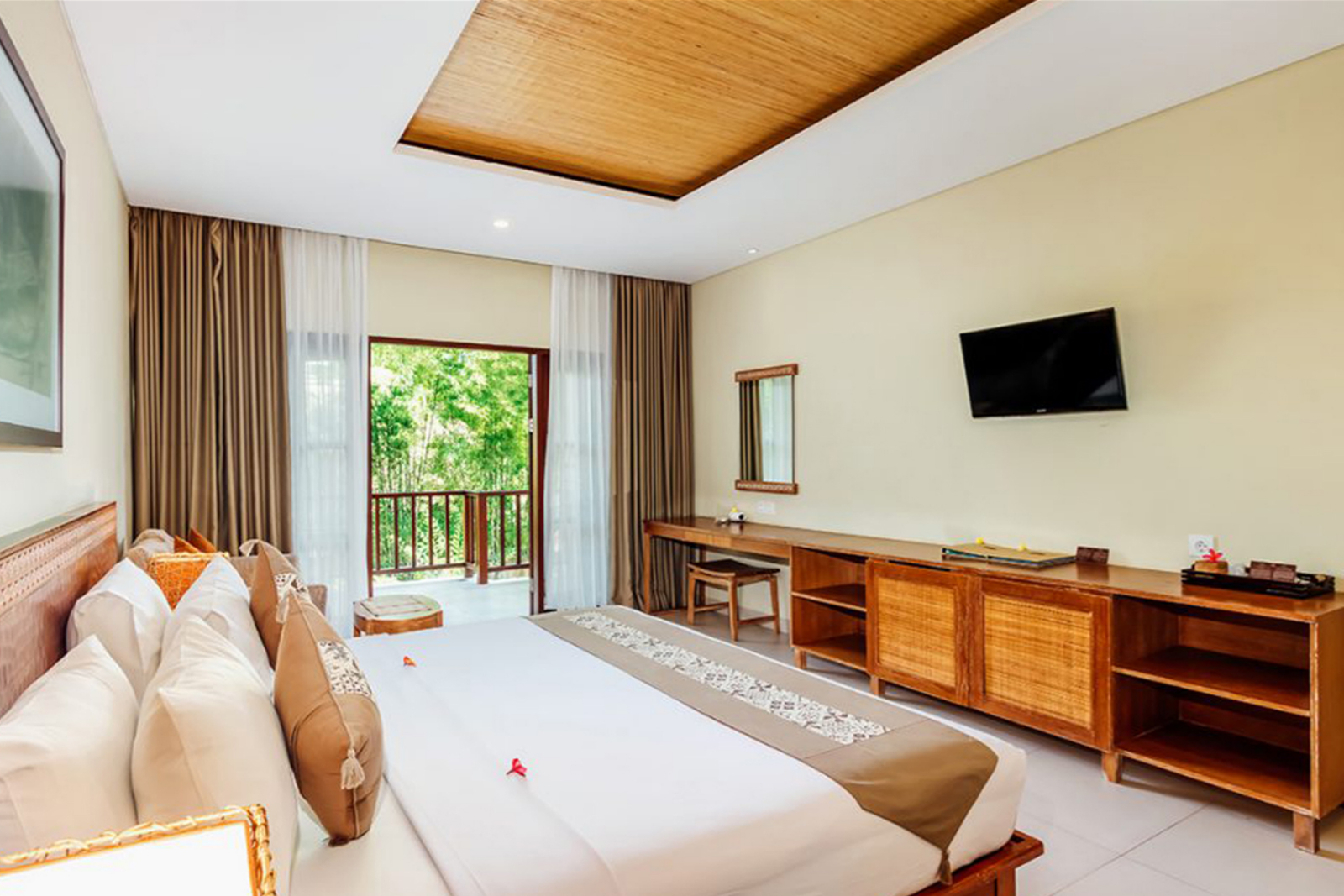
1 Bedroom Per Couple

Price Includes

  • 1 Nights Hotel Accomodation
  • Entrance Fees
  • Lunch/Mineral Water
  • Private car
  • English Speaking Driver

Price Excludes

  • Meals: Dinnner
  • Alcoholic Beverage
  • Any Private Expenses
  • Tips for Driver (optional)

What To Bring

  • Casual or Comfortable Clothes
  • Sunscreen
  • Sunglass
  • Cash/Debet/Credit Card
Package Tour Optional Cost (Budget)
  • Package Tour Only (no Hotel) cost USD270 per person
  • Package tour with 3* Hotel Cost USD345 Per Person
  • Package Tour with 4* Cost USD360 Per Person
  • Package Tour With 5* Cost USD620
Photos
Itinerary

Day 1Itineraries

Stop 1. Jatiluwih Rice Terrace
Hotel pick up will be at 8.30 Am with first stop at Jati Luwih Rice Teracce. Jatiluwih Rice Terraces, drive pass through amazing country side and traditional small villages to Jatiluwih Village the most interesting places will see such as very beautiful of huge rice terraces, coffee plantation, durian trees, cacao, bamboo, avocado and etc. Jatiluwih Village has beautiful land wide of rice terraces and the best rice terraces in Bali island (recently denoted by UNESCO as world heritage culture). After harvest season you may see the farmer flowing the field with cow or buffalo, they still use traditional equipment to manage their land.

Stop 2. Ulundanu Beratan Temple
Ulundanu Beratan Temple – Temple in the lake, the temple well known with Ulundanu Temple. ‘Ulun’ it’s mean heart and ‘Danu’ it’s mean lake, the temple dedicated to the Gods of lake or waters (Danu Goddess), the lake supply a lot of water to the rice field. The temple founded in 17th century by the King of Mengwi. In outside yard there is buddhist temple and big Banyan tree. This temple of the important temple in the mountain used for Nyegara Gunung ceremony, nyegara (ocean) and Gunung (mountain).

Stop 3. Handara Gate
Located in the charming village of Pancasari, Sukasada, Buleleng, Bali, Handara Gate has become an iconic symbol of Bali’s captivating allure. As you approach Handara Gate, the first thing that strikes you is the remarkable backdrop – a lush, verdant forest that exudes a sense of ancient mystique. It’s not just any ordinary gate; it’s a breath-taking portal to a world where timeless Balinese architecture blends seamlessly with the pristine beauty of nature. This is where the magic begins.

Stop 4. Wanagiri Hidden Hill
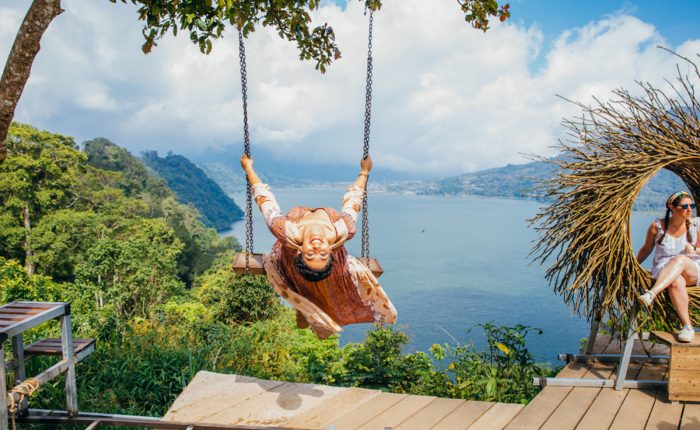
After having some photos at Handara gate, will be then head up north to have a stop at Wanagiri Hidden Hill. The Hidden Hills Wanagiri, or Bukit Wanagiri, is an paradise for panoramic views, located in Bali. This picturesque location with its lush green hills and pristine lakes provides a spectacular view during sunset. It is a well-known destination for photographers and outdoor enthusiasts alike. But does its staged selfie spots make it a paradise or a hackneyed hangout.

Stop 5. Banyumala Waterfall.
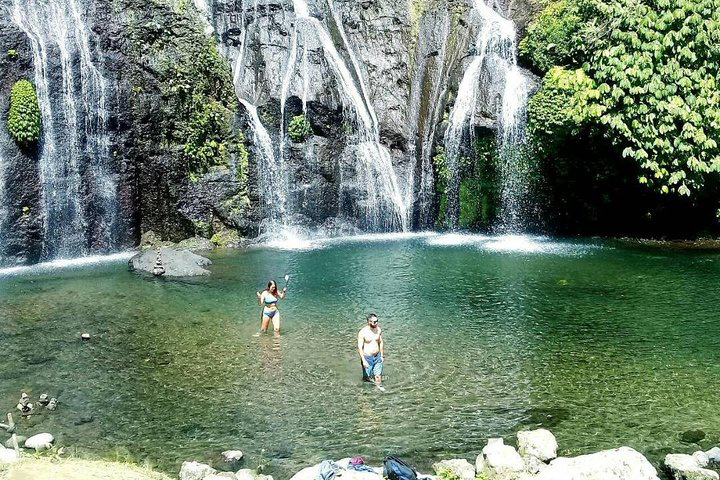
The Banyumala Twin Waterfalls are located in the village of Wanagiri, which is situated in the regency of Buleleng on the island of Bali, Indonesia. It is believed that the falls have been a popular local attraction for centuries, with the Balinese people visiting the falls for recreational purposes and to pay respects to the gods. The falls are named after the Banyumala tree, which is a species of mahogany that is native to the region. The tree is revered by the Balinese people for its medicinal properties and is often used in traditional medicine and rituals. In recent years, the Banyumala Twin Waterfalls have become a popular tourist destination, attracting visitors from around the world who are drawn to the natural beauty and recreational opportunities that the falls offer. Despite the increased tourism, the falls and the surrounding village of Wanagiri remain an important cultural and spiritual center for the local community.

Stop 6. Sangeh Monkey Forest
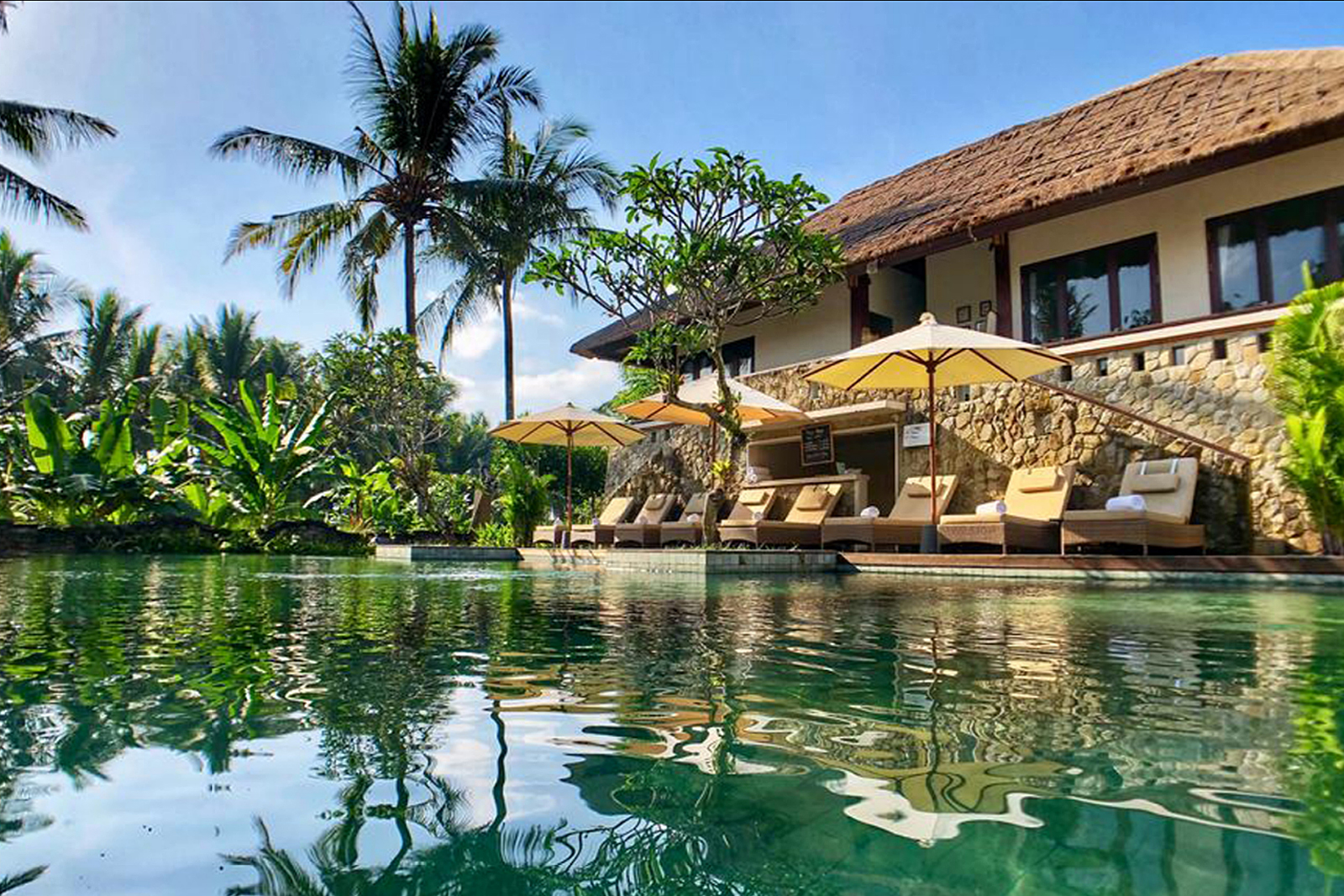
Sangeh Monkey Forest is a small fertile rain forest dwelt by a group of monkeys. It is one of the popular Bali Tourist Destinations located in the Sangeh countryside, Badung Regency, north part of Denpasar town or about 1 hour from Denpasar City. Furthermore, this forest is an animal sanctuary in Bali. The group of monkeys are living together in this forest. Therefore, it is an ideal place for Macaca fascicularis (Long Tail Macaque) to live freely and use the forest as their habitat. This Sangeh Monkey Forest is strategically located beside the main road from Denpasar to Petang Village. Moreover, good road access facilitates the visitors who want to reach this place. Hence. many tourists have come to this place to see the cute monkeys. Radha Phala Hotel will be as our hotel at Ubud for overnight on first Night.

Day 2Itineraries

Stop 1. Ubud Market and Palace
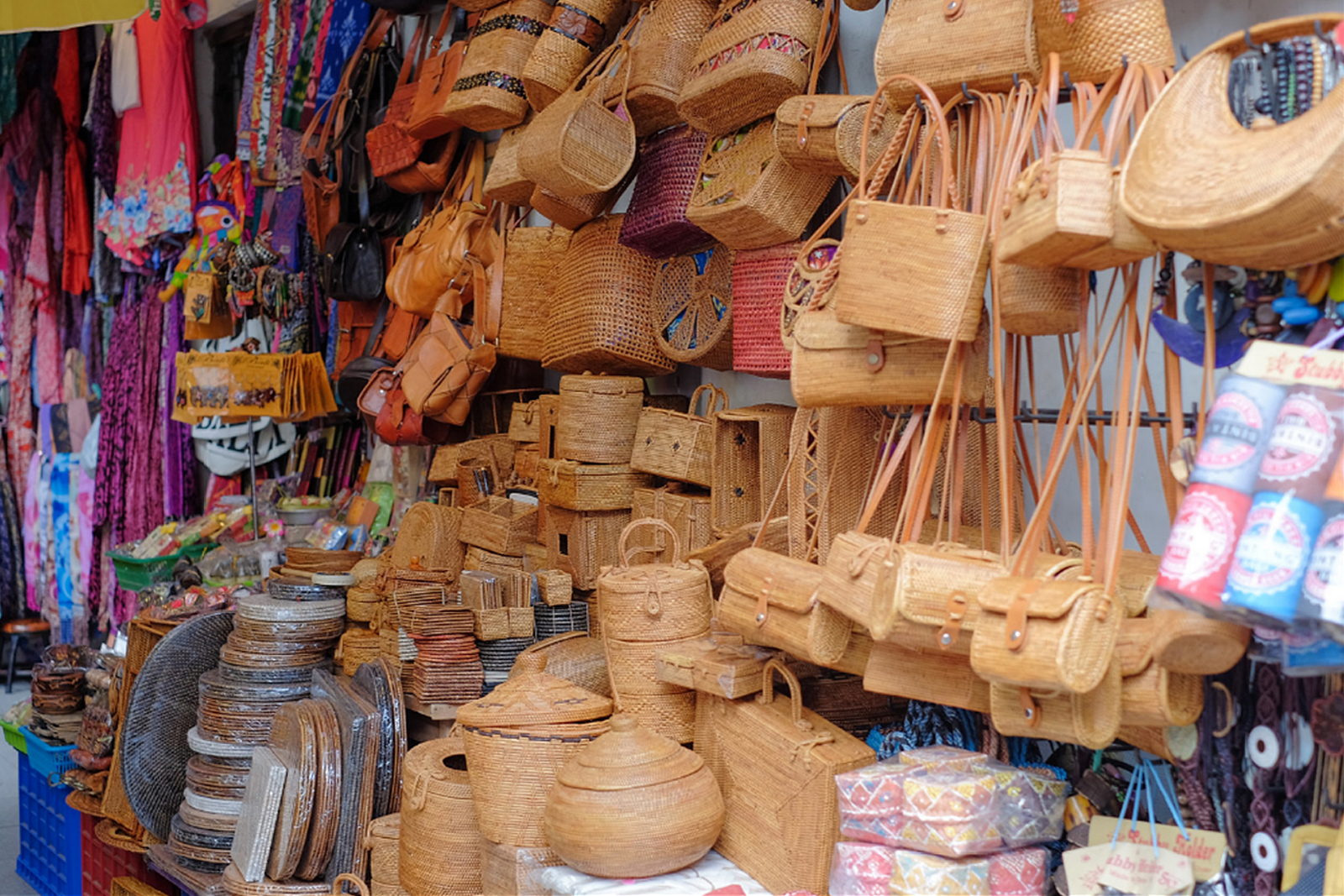
On the second day of Three Days Round Trip, hotel pick up will be at 9 am, with first stop wil be at Ubud Market and Palace. Ubud Traditional Art Market or Pasar Seni Ubud, is the most popular art market in Bali, and it’s even appeared in the movie Eat, Pray, Love! the Ubud Art Market will tell you everything you need to know.Ubud Art Market is in the centre of Ubud, which is in Central Bali. It’s a short walk from most hotels, resorts, restaurants and attractions in Ubud. The Ubud Market offers a ton of locally made and sourced products. You can find beautiful silk scarves, woven baskets, stylish hats, amazing kites, handmade woven bags, Balinese-style paintings, Balinese handicrafts, Moroccan-style oil lamps, beach clothes and much more. next to Ubud market there is A famous Ubud Palace or known as Puri Saren Ageng Ubud. The palace was the official residence of the royal family of Ubud. It was on his travels that Rsi Markandya received a divine revelation that in Bali he was to bury five precious metals on a mountain slope where the mother temple of Besakih now stands today. Along with a group of followers, Rsi Markandya was magnetically attracted to a destination located in the central foothills of the island that radiated light and energy.

Stop 2. Tegalalang Rice Terrace
The world famous rice terraces. is one of the most popular attractions in Ubud thanks to its photogenic ambiance. Although the iconic rice paddies are a top tourist destination, Tegalalang gives a glimpse into the traditional Balinese irrigation system that support the livelihood of the locals to this very day. Tegalalang is known as one of the most popular rice fields in Ubud and deeply entrenched around a popular Balinese traditional mode of irrigation named Subak, dating back to the 9th century. The system embodies the Tri Hita Karana philosophy on life and like many other Bali’s rice terraces, Tegalalang is a UNESCO World Heritage Site.

Stop 3. Kintamani Volcano
The area of north-eastern Bali at the Mount Batur caldera, and which encompasses Penelokan, Toya Bungkah, Batur and Kintamani villages, is known widely as just Kintamani. Kintamani, Batur and Penelokan villages sit on the rim of the huge Batur caldera about 1,500m above sea level, and offer dramatic views of the active volcano Mount Batur and serene Lake Batur. Toyo Bungkah village is down at the lake edge.As well as the lake and the volcano, Kintamani is home to Pura Ulun Danu Batur, one of Bali’s key nine directional temples.

Stop 4. Besakih Temple
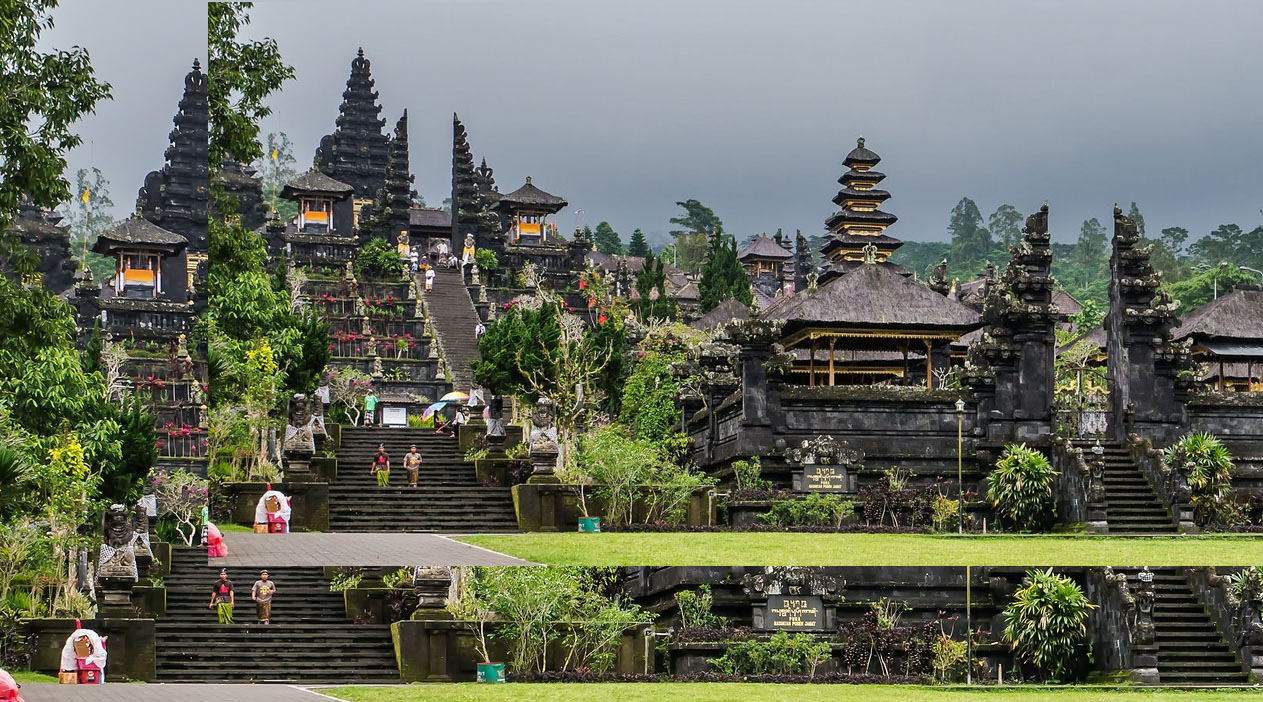
Besakih Temple is a pura or Temple complex in the village of Besakih on the slopes of Mount Agung in eastern Bali, Indonesia. It is the most important, largest, and holiest temple of Balinese Hinduism,and one of a series of Balinese temples. Perched nearly 1000 meters up the side of Gunung Agung, it is an extensive complex of 23 separate but related temples with the largest and most important being Pura Penataran Agung. The temple is built on six levels, terraced up the slope. The entrance is marked by a candi bentar (split gateway), and beyond it, the Kori Agung is the gateway to the second courtyard.

Stop 5. Sideman Village
Sidemen Village is a stunning panoramic view of rural ingenuity and heritage. Here you’ll find a countryside community down the southern hillsides of Bali’s tallest mountain, Mount Agung. Swathes of paddies and plantations around the village are tended by their respective farming communities. The village area is one of the main destinations for day trips through the eastern region. It’s where you can find a ‘real Bali’ scene that offers both beautiful Bali rice paddy landscapes and interesting cultural highlights. Alamdari Hotel Amed will be our next hotel for overnight stay.

Day 3Itineraries

Stop 1. Lempuyang Temple
The tour start at 3.30 AM early morning for hotel pick up with first stop at Lempuyang Temple for sunrise photoshoot on the split gate. Lempuyang Temple or Gate of Heaven is a Balinese Hindu temple or pura located in the slope of Mount Lempuyang in Karangasem, Bali. Pura Penataran Agung Lempuyang is considered as part of a complex of pura surrounding Mount Lempuyang, one of the highly regarded temples of Bali. The temples of Mount Lempuyang, represented by the highest pura at the peak of Mount Lempuyang, Pura Lempuyang Luhur, is one of the Sad Kahyangan Jagad, or the “six sanctuaries of the world”, the six holiest places of worship on Bali.

Stop 2. Tirta Gangga Water Garden
Tirta Gangga water garden was built in 1948 by the King of Karangasem, Anak Agung Anglurah Ketut Karangasem. This water garden was constructed in a very unique architecture of Balinese and Chinese styles. Tirtagangga Water Garden scratches on a 1,2 Hectare area, which consists of three complexes. The first complex lies on the lowest level of this area, where we can find two ponds and a water tower. The second complex in the middle level is the location where we can find swimming pools; while in the third part, which is the main complex, we can find the rest house of the King. the highlight of this place you can take a picture with many colourful fishes or koi fishes.please bring money or cash to purchase fish food to fee the Koi fish to take beautiful pictures.

Stop 3. Tukad Cepung Waterfall
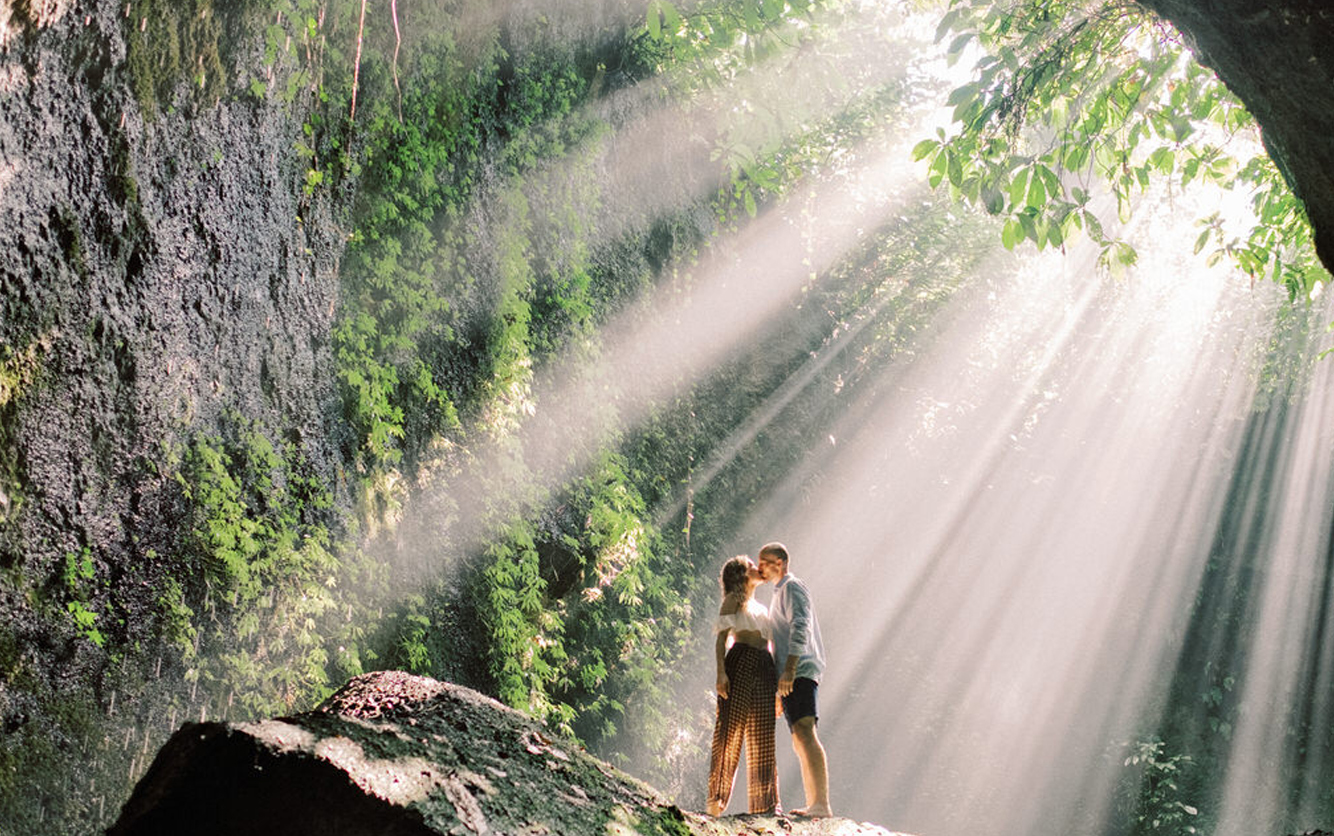
On the way Back from Tirta Gangga, we will be return to our hotel at Alamdari Hotel to get our luggage back. and then heading up to Tukad cepung waterfall, is one of the many oases of nature found in Bali. It is located in the village of Tembuku and is hidden away in a cave, surrounded by high cliffs and a variety of greenery. This stunning location attracts visitors from all over the world, as well as locals, due to its natural beauty. The sunlight falling on the glistening waterfall creates a rainbow, which feels as though it is projected right up to you. This place is comparatively cooler and offers an immense sense of peace and tranquility. Tukad Cepung is a rising star among Bali waterfalls and is a must-see destination for nature and photography enthusiasts.

Stop 4. Penglipuran Village
Penglipuran Village will bee as our last stop to see the best and cleanest village in the world. Penglipuran Village is one of the traditional villages located in Bangli Regency, Bali Province, Indonesia. The village is famous as one of the tourist destinations in Bali because of its society who still preserve their traditional culture in their daily lives. The architecture of buildings and land processing still follows the concept of Tri Hita Karana, the philosophy of Balinese society regarding the balance of relations between God, humans and their environment. Penglipuran village succeeded in building tourism that benefited all of their communities without losing their culture and traditions. In 1995, Penglipuran village also received a Kalpataru award from the Indonesian government for its efforts to protect the bamboo forest in their local ecosystem. Tour end then wee heading to your next hotel that your have booked.

Day 4Itineraries

Stop 1. Tanjung Benoa Beach.
Located at north of Nusa Dua, this is a beautiful white sand beach area where visitors can enjoy many types of water recreation and sports such as snorkeling, flying fish, parasailing, diving, banana boat, jet ski, glass bottom boat and turtle island and more. Beaches in this area are very quiet and almost not choppy, unlike in Kuta, Sanur or Uluwatu beach making this the only place for this fun games. This area is an extension of Nusa Dua Resort, with easy access to its luxurious hotels and other tourism facilities, can be reached within 30 minutes from Kuta, 35 minutes away from Sanur, 60 minutes away from Ubud and 20 minutes from Denpasar International Airport.

Stop 2. Nusa Dua Beach.
Nusa Dua is known as an enclave of large international 5-star resorts in south-eastern Bali. It is located 40 kilometers from Denpasar and 20 minutes from the Bali International Airport ‘Ngurah Rai‘, the provincial capital of Bali, and administered under Kuta South District. Nusa Dua was designed to be an ‘all-inclusive’ type of tourist destination. Proof lies in the pristine Bali Tourism Development Centre’s (BTDC’s) complex of world-class hotels, the up-market Bali Collection shopping square with its very well-maintained facilities, the area’s luxurious 18-hole golf course, clean white-golden sandy beaches and much more. The name Nusa Dua is derived from the two small islands to the east. Though it’s the most developed area in Bali, it still houses many temples, and lots of other attractions.

Stop 3. Garuda wisnu Kencana Park or GWK 
GWK is a tourist destination and attraction located at Ungasan, Badung on the island of Bali, Indonesia, about 10–15 minutes drive from Ngurah Rai International Airport. It is devoted to the Hindu god Vishnu, and his mount, Garuda, the mythical bird who became his companion. Owned and managed by Alam Sutera Realty, Tbk, the construction of the 120.9 m (397 ft) statue of Vishnu riding his mount Garuda was completed in August 2018. The park has a land area of about 60 hectares and is 263 m (863 ft) above sea level.

Stop 4. Uluwatu Temple. 
Uluwatu Temple, Ulu in Balinese mean top, Watu mean stone. This temple built in 11 th century by Javanese priest Empu Kuturan or well known as Empu Raja Kerta. The temple located in south western tip of island, up to the blue sea cliff approximately 100 meters high, the best place to view of the sunset. In 16 century another Javanese priest Danghyang Nirartha visit this temple and add more building, he retreated to this temple for his final life, when he attained Moksah or freedom. The temple has very agresif monkey colony.

Stop 5. kecak Fire dance Show.
Kecak Dance at Uluwatu Temple, A Kecak performance is very simple. The men’s chorus chants the words Cak ke-cak ke-cak ke-cak ke-cak ke-cak, in rhythm, over and over again, For this reason they are called the Kecak or Cak dance. The Kecak dances consist of about fifty men wearing only a loin-cloth, the upper part of their bodies left bare. They form rows of circles, in the middle of which is a coconut oil lamp. The Kecak dance is performed for dance-dramas and the story presented is take from the Ramayana epic.

 
Map

FAQ

I'm a solo traveller, is there a single supplement?

A wonderful serenity has taken possession of my entire soul, like these sweet mornings of spring which I enjoy with my whole heart. I am alone, and feel the charm of existence in this spot, which was created for the bliss of souls like mine. I am so happy, my dear friend, so absorbed in the exquisite.

Which currency is most widely accepted on this tour?

– Austria – Euro (EUR)
– France – Euro (EUR)
– Germany – Euro (EUR)
– Italy – Euro (EUR)
– Netherlands – Euro (EUR)
– Switzerland – Swiss franc (CHF)
– United Kingdom – Pound sterling (£)

Should I book pre/post tour accommodation?

Far far away, behind the word mountains, far from the countries Vokalia and Consonantia, there live the blind texts. Separated they live in Bookmarksgrove right at the coast of the Semantics, a large language ocean. A small river named Duden flows by their place and supplies it with the necessary regelialia.

It is a paradisematic country, in which roasted parts of sentences fly into your mouth. Even the all-powerful Pointing has no control about the blind texts it is an almost unorthographic life One day however.

What is cancellation policy?

A wonderful serenity has taken possession of my entire soul, like these sweet mornings of spring which I enjoy with my whole heart. I am alone, and feel the charm of existence in this spot, which was created for the bliss of souls like mine. I am so happy, my dear friend, so absorbed in the exquisite.

1 travellers are considering this tour right now!

Proceed Booking