Login
Login
Do not have an account?
Create an Account- Home
- Pages
- Tour List
- Tour Search
- Destinations
- Date & Pricing
- Blog


Tour Overview
Three days round trip 3 to north part and east part of Bali to see all tourist destination located at the northern part of Bali. places to see on the first day are Jati Luwih Rice Terrace the biggest rice terrace in Bali, Ulundanu beratan Temple a temple on the lake, Handara gate, Wanagiri Hidden hill close by Handara Gate, and then Banjar Hotspring as last stop before hotel check in at Aneka Lovina Hotel. we spend overnight here.
On the second day start with Wild Dolphin watching and then continued to see Singaraja city to see the old building made during the Ducth colonialism, theente trip continued to see Beji Temple, the temple dedicated for the lord of Agricuture, lastr stop is at Amed view point then we will check in at Hidden Paradise hotel. we overnight at Amed
On the Third day the tour will start at 3.30 AM early morning for hotel pick up with first stop at Lempuyang Temple for sunrise photoshoot on the split gate. then we continued the trip to Tirta Gangga Water Garden. the local royal family swimming pool. Tenganan Village, the oldest village in Bali, then heading up to Kanto lampo waterfall, is one of the many oases of nature found in Bali. good for insta photo. Next check in to Radha Phala Hotel Ubud. overnight at Ubud.
Day fourth plan, we will see Ubud Traditional Market with Ubud Palace next door. Tegalalang Rice Terrace, Ubud Famous rice terrace, Kintamani Volcano, best volcanic view, Bali coffee plantation, Tirta Empul Temple or Holy spring Temple, with last stop at Tegenungan Waterfall known as Ubud Waterfall.
Your Place
08.30 AM
1 Bedroom Per Couple


Stop 1. Taman Ayun Temple.
Taman Ayun Temple the Royal Family Temple in Mengwi, huge state temple of Mengwi Kingdom surrounded by a wide moat, the temple built in 1634. Outside yard with open grassy expanse and meeting hall for held the meeting, dance performance and sometime cockfighting. Middle yard built high wood bell tower called by Kulkul, outside yard to middle yard separate by open gate and from middle yard to inner courtyard separate by close gate. Inner courtyard has a lot of multi tiered shrines called by Meru, from first till the highest one. The visitor allowing to see the inner courtyard from outside only.
Stop 2. Ulundanu Beratan
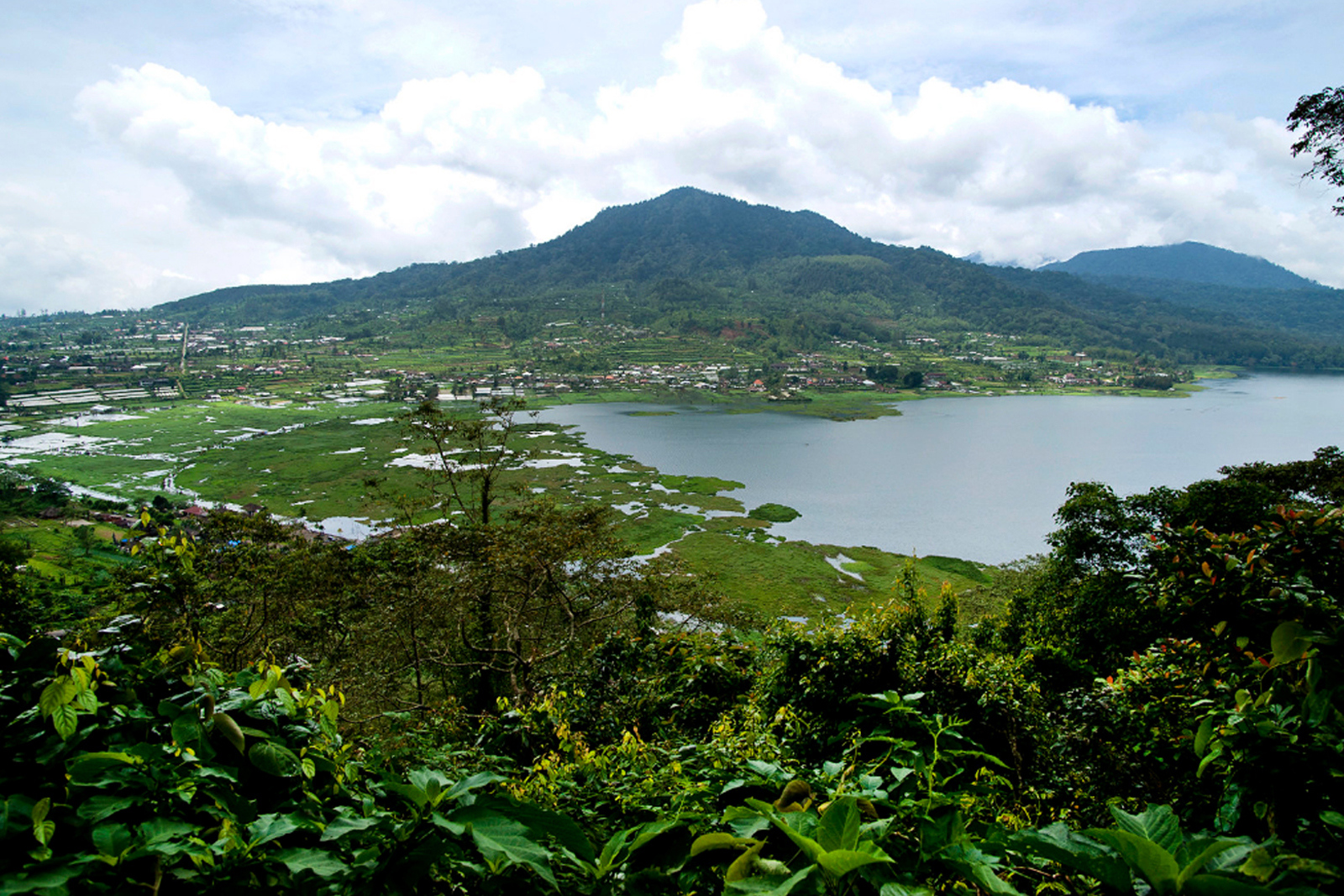
Ulundanu Beratan Temple – Temple in the lake, the temple well known with Ulundanu Temple. ‘Ulun’ it’s mean heart and ‘Danu’ it’s mean lake, the temple dedicated to the Gods of lake or waters (Danu Goddess), the lake supply a lot of water to the rice field. The temple founded in 17th century by the King of Mengwi. In outside yard there is buddhist temple and big Banyan tree. This temple of the important temple in the mountain used for Nyegara Gunung ceremony, nyegara (ocean) and Gunung (mountain).
Stop 3. Handara Gate
Located in the charming village of Pancasari, Sukasada, Buleleng, Bali, Handara Gate has become an iconic symbol of Bali’s captivating allure. As you approach Handara Gate, the first thing that strikes you is the remarkable backdrop – a lush, verdant forest that exudes a sense of ancient mystique. It’s not just any ordinary gate; it’s a breath-taking portal to a world where timeless Balinese architecture blends seamlessly with the pristine beauty of nature. This is where the magic begins. After having some photos at Handara gate.
Stop 4. Wanagiri Hidden Hill
The Hidden Hills Wanagiri, or Bukit Wanagiri, is an paradise for panoramic views, located in Bali. This picturesque location with its lush green hills and pristine lakes provides a spectacular view during sunset. It is a well-known destination for photographers and outdoor enthusiasts alike. But does its staged selfie spots make it a paradise or a hackneyed hangout.
Stop 5. Banyumala waterfall
The Banyumala Twin Waterfalls are located in the village of Wanagiri, which is situated in the regency of Buleleng on the island of Bali, Indonesia. It is believed that the falls have been a popular local attraction for centuries, with the Balinese people visiting the falls for recreational purposes and to pay respects to the gods. The falls are named after the Banyumala tree, which is a species of mahogany that is native to the region. The tree is revered by the Balinese people for its medicinal properties and is often used in traditional medicine and rituals. In recent years, the Banyumala Twin Waterfalls have become a popular tourist destination, attracting visitors from around the world who are drawn to the natural beauty and recreational opportunities that the falls offer. Despite the increased tourism, the falls and the surrounding village of Wanagiri remain an important cultural and spiritual center for the local community.
Stop 6. Banjar Hotspring
Banjar Hot Springs are centuries-old springs have been upgraded with modern facilities over time. They’ve have become a favourite retreat and recreational site among locals and international visitors. Locally known as Air Panas Banjar, the hot springs are located approximately 5 km southwest from the famous Lovina coast in North Bali. They share the same district as the Brahmavihara Arama Buddhist monastery, which is located only 1.5 km to the east. In Bali there is a unique natural wonder and at the same time a wellness oasis, which is located in the middle of a tropical greenery and a temple complex. The springs of Air Panas Banjar are considered a unique attraction in Bali, which is very popular among locals, as well as tourists. The water contains sulfur and is highly turbid, but is especially suitable for sensitive skin. The numerous springs make it possible that the water basins are always supplied with fresh water. Banjar Hot Spring is our last stop then we heading up to Lovina area for hotel check in at Aneka Lovina Hotel, as our first nights stay on this trip.
Stop 1. Wild Dolphin Tour
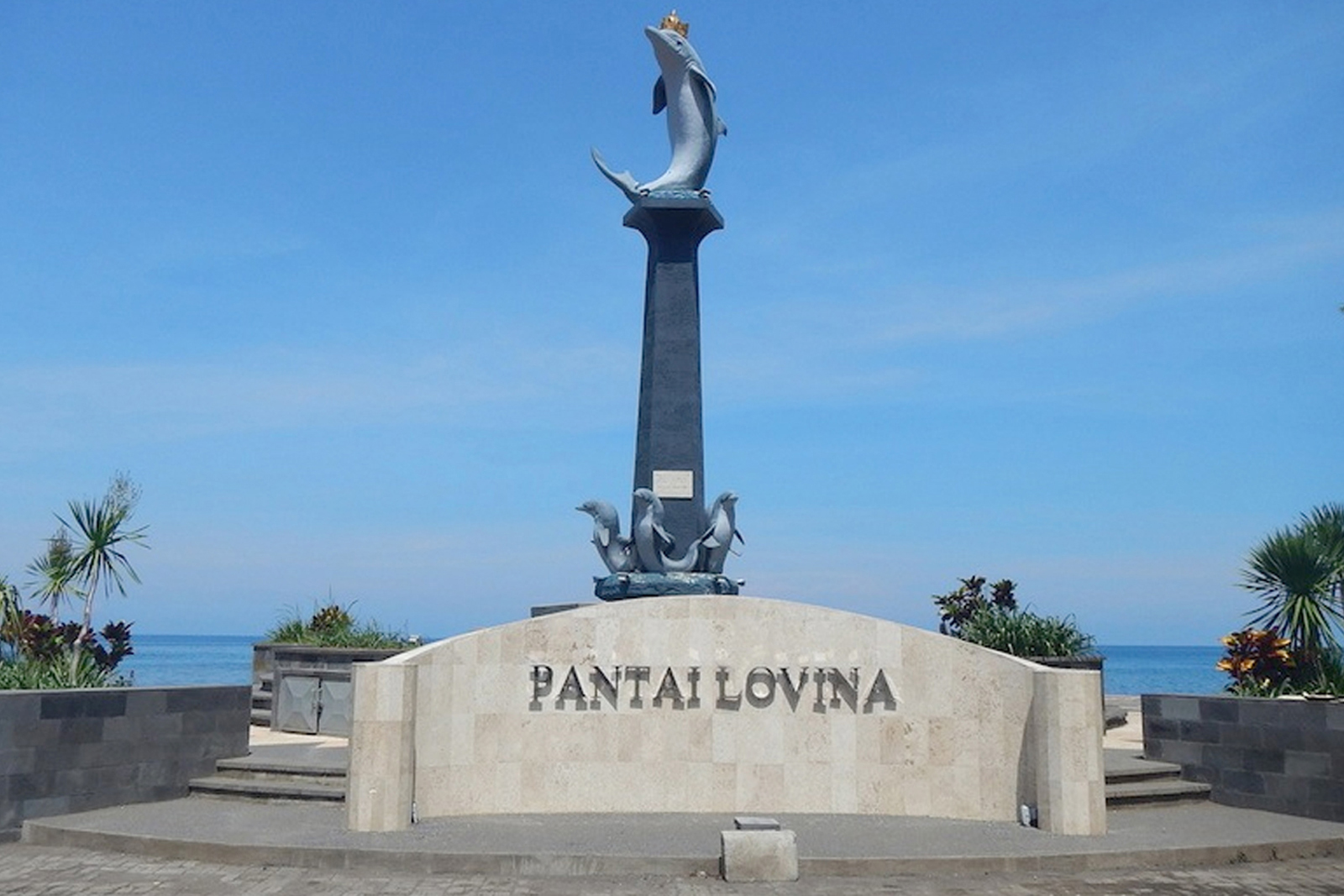
Dolphin Tour with wake up early in the morning and get into the boat at 06:00 AM to sail far away into the sea chasing where are the dolphin arising and jumping. Ride on a traditional wooden boat with six passenger loading capacity. You might able to watch more than ten Dolphins jump up and beautiful morning with it sun rise. Many boats will be running together from the other people who want do same as you to observe dolphin at Lovina. It about one an half hour around
Stop 2. Lovina Beach center.
Lovina Beach is a relatively new name coined in the 1950s by the late king of Buleleng (Buleleng Regency) Anak Agung Panji Tisna, with a good eye for future tourism-based development. It started with small lodge built on his own land and named Lovina. After going through struggle of ups and downs, finally the community accepted the presence of Lovina. Nowadays the name Lovina is used for the stretch of seven traditional villages, which all slightly merge into one over ten kilometersof the main road which hugs the north coast to the west of Singaraja: Temukus, Kalibukbuk, Anturan, Pemaron, Tukad Mungga, Banyualit and Kaliasem. Kalibukuk is the main hub of this area and is often thought of “Lovina town centre”.
Stop 3. Beji Temple
The Beji temple environment was a temple environment to worship ‘ Dewi Sri ‘ as Goddess that was connected with agriculture especially being trusted as Goddess that created rice as the main food stuff. This temple environment as know as the Subak Temple environment for the Sangsit traditional village, where all of the king environmental part was illustrated Buleleng carving style in the form of plants that crept and the motive of the flower that characterized the age to 15, King’s Majapahit era. In the main gate of the temple environment was decorated by two dragons as the guard of the temple. The attraction that was unique from this temple environment was carving that filled all the temple parts as though none the place of the temple that was not decorated with carving. This carving was painted by colors so as this temple environment became more unique.
Stop 4. Amed Sunset Point
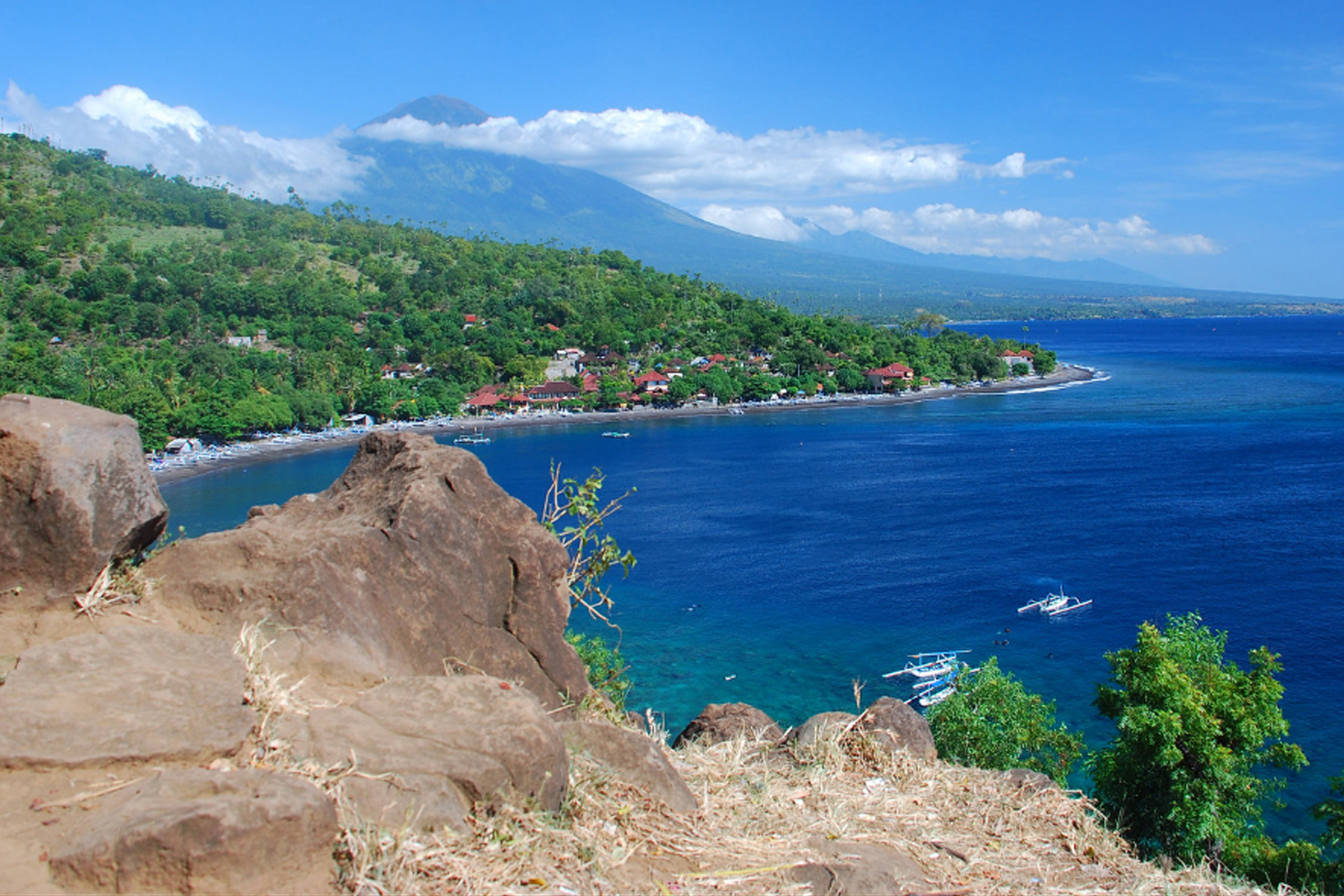
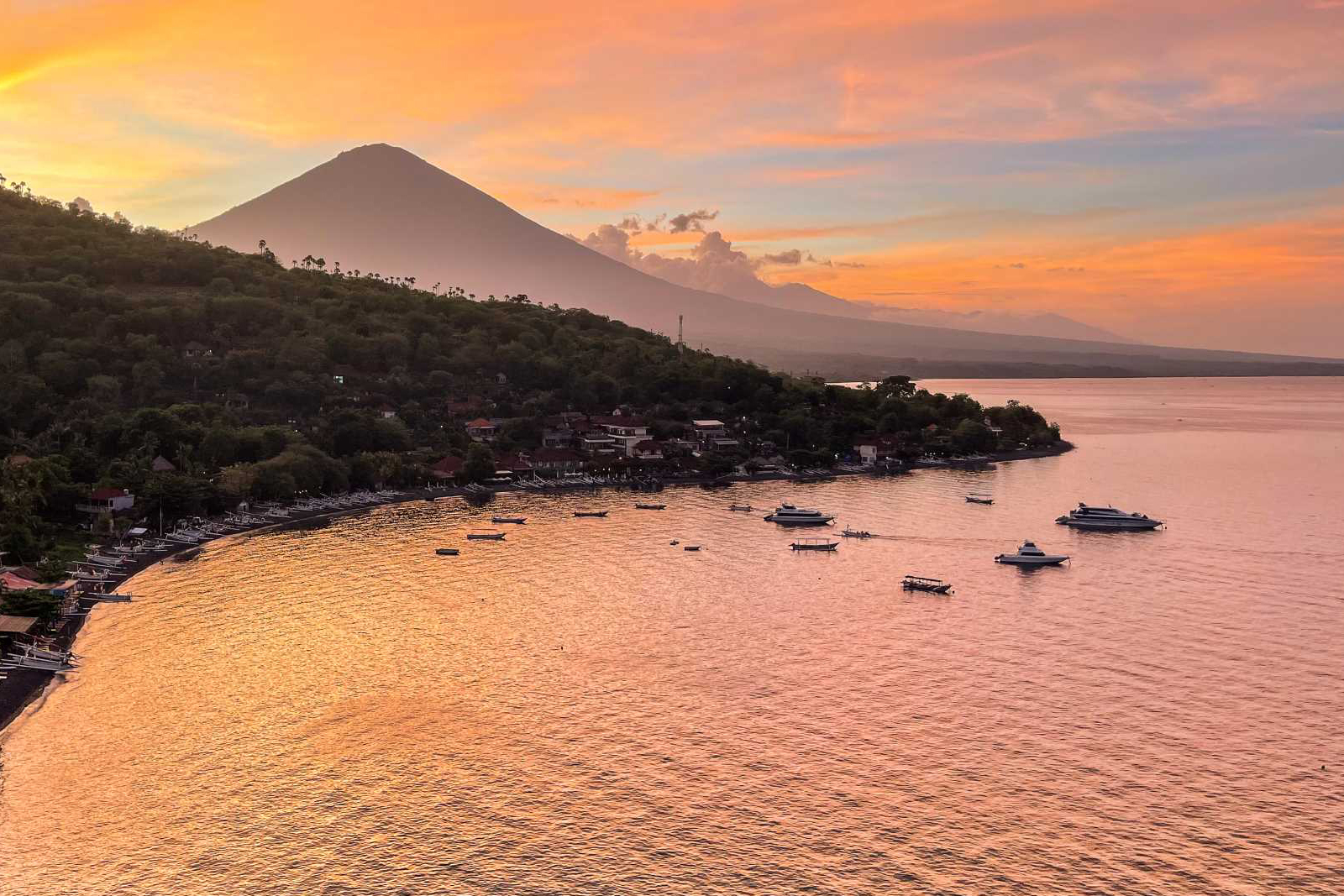
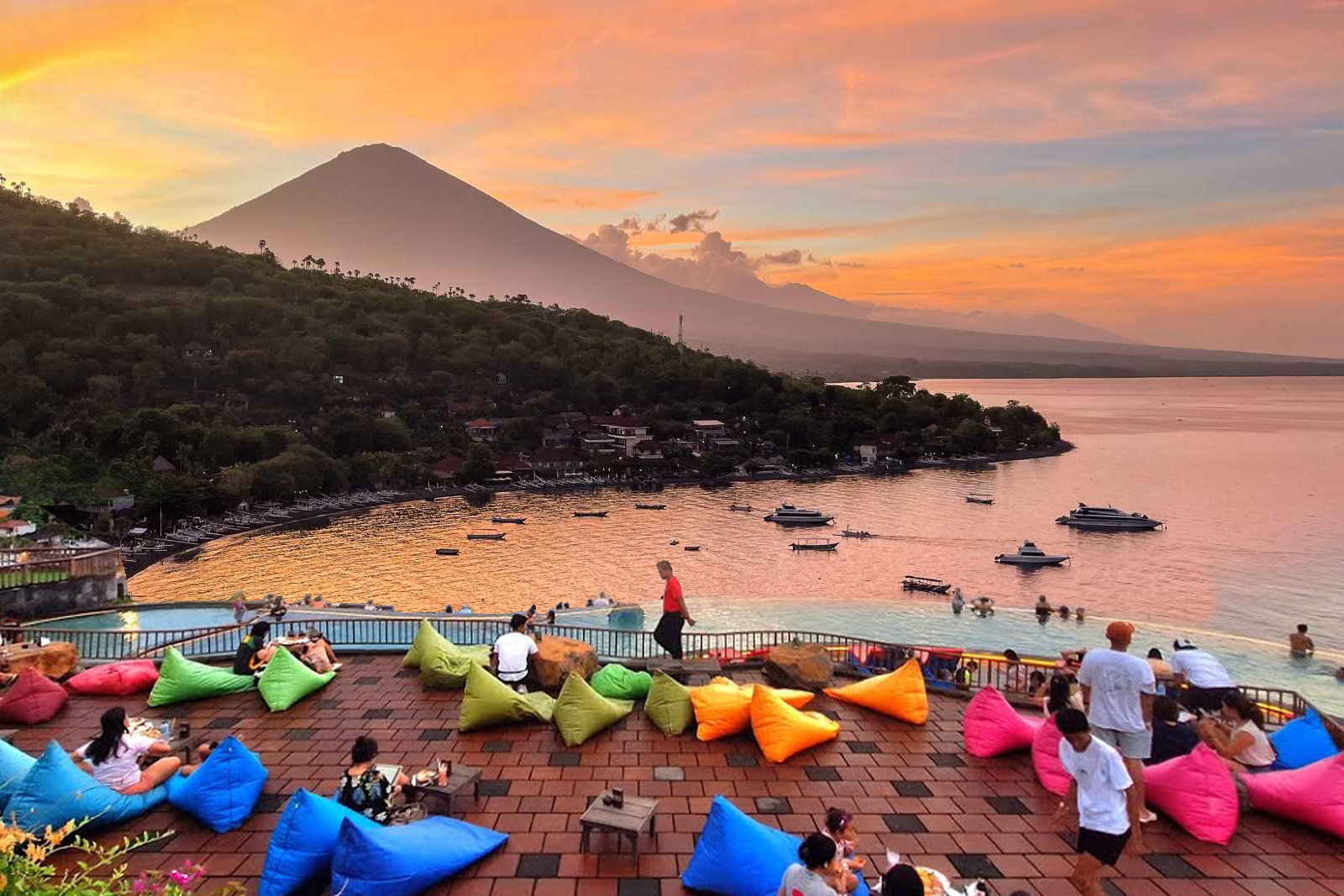
Amed is the most recent tourist development area in Bali. It was only in 2000 that tarmac was laid on the roads. Telephone lines were installed in 2003 and it took until 2007 for a bridge to be built over a section of the main road that regularly washed away during the rainy season. This is the most commonly used base for visitors wishing to dive the USS Liberty wreck at Tulamben and that area is also covered by this article. There are other good dive sites close at hand and a thriving dive industry has developed all the way along the coast here. Hidden Paradise hotel will be as our hotel for overnight on the second day.
Stop 1. Lempuyang Temple
The tour start at 4.30 AM early morning for hotel pick up (is a must to avoid long Line up for Just a couple of shot on the gate) with first stop at Lempuyang Temple for sunrise photoshoot on the split gate. Lempuyang Temple or Gate of Heaven is a Balinese Hindu temple or pura located in the slope of Mount Lempuyang in Karangasem, Bali. Pura Penataran Agung Lempuyang is considered as part of a complex of pura surrounding Mount Lempuyang, one of the highly regarded temples of Bali. The temples of Mount Lempuyang, represented by the highest pura at the peak of Mount Lempuyang, Pura Lempuyang Luhur, is one of the Sad Kahyangan Jagad, or the “six sanctuaries of the world”, the six holiest places of worship on Bali.
Stop 2. Tirta Gangga Water Garden.
Tirta Gangga water garden was built in 1948 by the King of Karangasem, Anak Agung Anglurah Ketut Karangasem. This water garden was constructed in a very unique architecture of Balinese and Chinese styles. Tirtagangga Water Garden scratches on a 1,2 Hectare area, which consists of three complexes. The first complex lies on the lowest level of this area, where we can find two ponds and a water tower. The second complex in the middle level is the location where we can find swimming pools; while in the third part, which is the main complex, we can find the rest house of the King. the highlight of this place you can take a picture with many colourful fishes or koi fishes.please bring money or cash to purchase fish food to fee the Koi fish to take beautiful pictures.
Stop 3. Candidasa Beach
Candidasa is a seaside town on the eastern cost of Bali that rests on the edge of a fresh water lagoon, named Candi Dasa Lagoon. The town is centred around Jalan Raya Candidasa, where a number of hotels, restaurants, and shops line the main road. It is popular tourist stop, attracting divers and those looking for a more sedate alternative to the busy, nightclub filled Kuta area or the large, manicured resorts at Nusa Dua.
Stop 4. Tenganan Village.
Tenganan Pegringsingan or Pageringsingan is a village in the regency of Karangasem in East Bali, Indonesia. Before the 1970s was known by anthropologists to be a secluded society in the archipelago. Rapid changes have occurred in the village since the 1970s, such as the development of local communications by the central government, the opening up to tourism, and the breaking of the endogamic rules. Tourists are attracted to Tenganan by its unique Bali Aga culture that still holds to the original traditions, ceremonies, and rules of ancient Balinese, and its unique village layout and architecture. It is known for its gamelan selunding or Gambelan selonding music played on iron metallophones and gringsing or geringsing double ikat textiles woven in only 3 places in the world.
Stop 5. Kanto Lampoo waterfall.
The waterfall’s structure is one of its most captivating features. Instead of a sheer vertical drop, water flows down several levels of rock, creating a beautiful curtain-like effect as it fans out across the black stones. This unique structure makes Kanto Lampo an ideal spot for visitors to wade into the water and interact with the falls up close. Tour finish then we will be check in into your next hotel.
Stop 1. Ubud Market and Ubud Palace
Ubud Traditional Art Market or Pasar Seni Ubud, is the most popular art market in Bali, and it’s even appeared in the movie Eat, Pray, Love! the Ubud Art Market will tell you everything you need to know.Ubud Art Market is in the centre of Ubud, which is in Central Bali. It’s a short walk from most hotels, resorts, restaurants and attractions in Ubud. The Ubud Market offers a ton of locally made and sourced products. You can find beautiful silk scarves, woven baskets, stylish hats, amazing kites, handmade woven bags, Balinese-style paintings, Balinese handicrafts, Moroccan-style oil lamps, beach clothes and much more. next to Ubud market there is A famous Ubud Palace or known as Puri Saren Ageng Ubud. The palace was the official residence of the royal family of Ubud. It was on his travels that Rsi Markandya received a divine revelation that in Bali he was to bury five precious metals on a mountain slope where the mother temple of Besakih now stands today. Along with a group of followers, Rsi Markandya was magnetically attracted to a destination located in the central foothills of the island that radiated light and energy.
Stop 2. Tegalalang Rice terace.
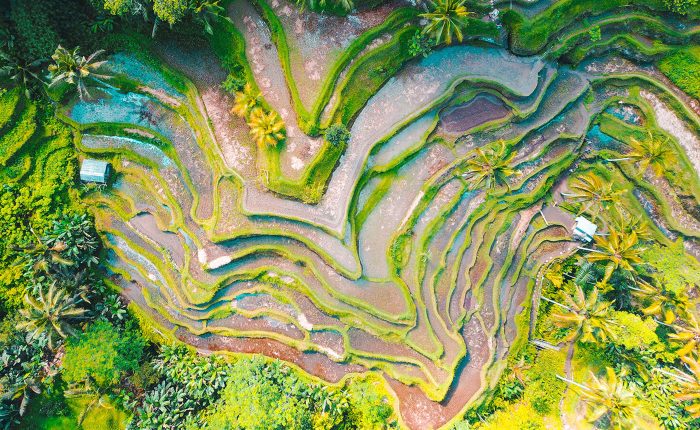
the world famous rice terraces. is one of the most popular attractions in Ubud thanks to its photogenic ambiance. Although the iconic rice paddies are a top tourist destination, Tegalalang gives a glimpse into the traditional Balinese irrigation system that support the livelihood of the locals to this very day. Tegalalang is known as one of the most popular rice fields in Ubud and deeply entrenched around a popular Balinese traditional mode of irrigation named Subak, dating back to the 9th century. The system embodies the Tri Hita Karana philosophy on life and like many other Bali’s rice terraces, Tegalalang is a UNESCO World Heritage Site.
Stop 3. Kintamani or Mount Batur View
Kintamani for Mount Batur Volcano Viewing. The area of north-eastern Bali at the Mount Batur caldera, and which encompasses Penelokan, Toya Bungkah, Batur and Kintamani villages, is known widely as just Kintamani, Batur and Penelokan villages sit on the rim of the huge Batur caldera about 1,500m above sea level, and offer dramatic views of the active volcano Mount Batur and serene Lake Batur. Toyo Bungkah village is down at the lake edge As well as the lake and the volcano, Kintamani is home to Pura Ulun Danu Batur, one of Bali’s key nine directional temples.
Stop 4. Bali coffee Plantation.
Kopi luwak, or civet coffee, is one of the world’s most expensive and low-production varieties of coffee. It is made from the beans of coffee berries which have been eaten by the Asian Palm Civet (Paradoxurus hermaphroditus) and other related civets, then passed through its digestive tract. A civet eats the berries for their fleshy pulp. In the digestive tract, the civets’ proteolytic enzymes seep into the beans, making shorter peptides and more free amino acids. Passing through a civet’s intestines the beans are then defecated, keeping their shape. After gathering, thorough washing, sun drying, light roasting and brewing, these beans yield an aromatic coffee with much less bitterness. This coffee is widely noted as the most expensive coffee in the world with prices reaching $350 per kilogram ($160 per pound). In this place you can try any types of drinks with different flavor that they served you as tester such as Bali coffee, lemon tea, ginger tea, ginger coffee, coconut tea, coconut coffee, choco tea and etc.
Stop 5. Tirta Empul Temple.
Tirta Empul Temple or Holy Spring Water Temple, it’s located in Tampaksiring region near Gunung Kawi Temple. The temple was built around the springs and special bathing-pools. In the inner courtyard there is clear slate-blue spring water bubbling up into it’s own enclosed rectangular pool through a sedimentary layer of black sand. In Balinese legend this spring water was created by Indra God when he fought with the Mayadenawa King. This place now very crowded with the people when the secret day for bath special ritual called in Balinese melukat.
Stop 6. Tegenungan Waterfall.
Tegenungan Waterfall is one of many tourist places and destination, Natural scenery around Tegenungan Waterfall is quite beautiful, with green trees and beautiful. Near the waterfall has been constructed with several shower baths from natural springs. Local residents often bathe and fetch water for daily consumption at these baths, especially in the morning and afternoon. tour finish and we will drop you to your next booking hotel.